
I honestly thought we were going to get a different result.
The CLARITY Act failed to move forward in the Senate, and for anyone watching the crypto market closely, that was definitely not the news we wanted to wake up to. After all the discussion, expectations, and anticipation surrounding the bill, seeing the vote fall short was disappointing.
But I don’t think this is the end of the story.
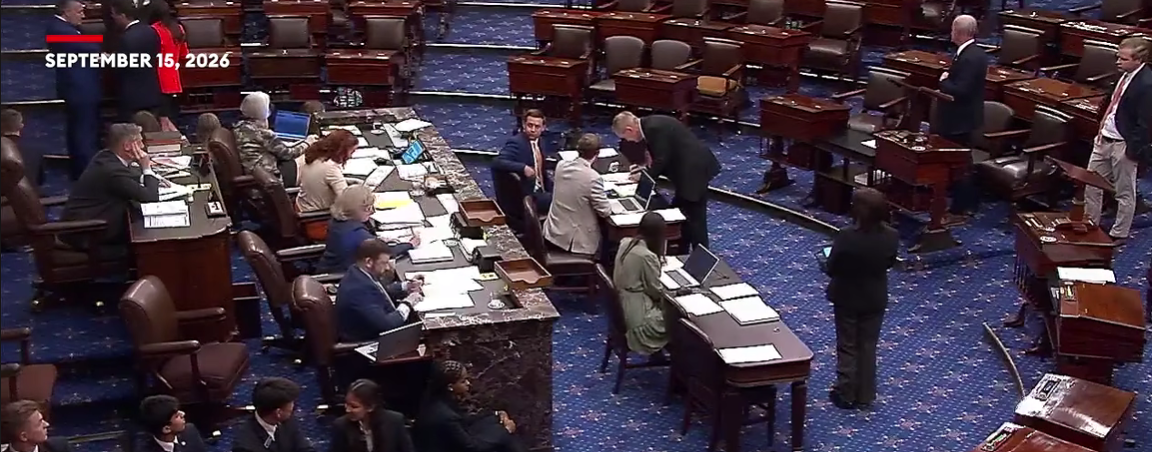
What actually happened with the CLARITY Act vote
If anything, I think the market needs to take a step back and look at what actually happened, instead of reacting purely off the headline.
On September 15, the Senate held a procedural cloture vote on the Digital Asset Market Clarity Act, the bill meant to finally spell out how the SEC and CFTC split oversight of crypto in the US. It needed 60 votes just to move forward to formal debate. It got 49. Fifty senators voted no, and that included every Democrat plus a handful of Republicans, Susan Collins, Josh Hawley, and Jerry Moran among them.
Ripple CEO Brad Garlinghouse summed up the mood with a short and honest reaction: “this one stings.” That’s about right.
The CLARITY Act was not simply rejected and erased from existence, though. The vote was a procedural setback, not a final death sentence. That distinction actually matters here. Senator Thom Tillis attached a motion to recommit, which technically keeps the door open for the bill to be reconsidered down the line. Whether that door stays open in any meaningful way is a different question, and one Washington insiders don’t fully agree on. One Republican Senate aide reportedly told The Block they think the bill is dead. Tillis himself thinks there’s still life in it. Nobody has a clean answer yet.
Why crypto markets don’t like this kind of uncertainty
Crypto markets don’t like uncertainty, and this vote adds more of it. Traders who were positioning themselves around a clearer regulatory framework now have to rethink their expectations. That can create selling pressure, especially in the short term.
Bitcoin had already been drifting lower heading into the vote, sliding from near $80,000 down toward the high $77,000s as investors braced for the outcome. That’s a fairly normal pre-event pattern. Markets hate ambiguity more than they hate bad news, so a lot of the weakness shows up before the actual result lands, not after.
And we are already seeing how sensitive the market can be to headlines like this. It doesn’t take much these days. One line on a terminal, one tweet from a senator, and suddenly the charts are moving.
Personally, I’m disappointed, but I’m not turning bearish on crypto just because of one failed vote.
Why one failed vote isn’t the whole story
I’ve been around this market long enough to know that crypto rarely moves in a straight line. We get good news, bad news, rumors, delays, sudden rallies, brutal selloffs, and then another rally when everyone thinks the market is finished. That’s part of the game, and if you’ve been in this space more than one cycle, you already know it.
What I’m watching now is whether this becomes a temporary disappointment or the beginning of a much bigger shift in sentiment.
If the market continues selling after the initial reaction, I would not automatically interpret that as the start of a long-term bear market. Sometimes markets simply need to flush out the traders who were positioned for a specific outcome. That’s not a conspiracy, it’s just how leveraged positioning tends to unwind.
And here’s the part that keeps me slightly bullish. The fact that the CLARITY Act made it this far, through committee, through negotiations, all the way to a floor vote, tells me the conversation around crypto regulation isn’t going away. There’s clearly a growing need for clearer rules around digital assets, market structure, exchanges, and the roles regulators should actually play. Grayscale put it well in their statement after the vote, calling it “not the outcome we hoped for” while reaffirming they’ll keep working with policymakers as US crypto policy matures.
The vote didn’t make those underlying problems disappear. It only showed that lawmakers haven’t reached an agreement yet. For me, that’s a very different situation from saying the entire crypto industry is moving backward.
Regulators aren’t waiting around either
Something worth flagging here that doesn’t get enough attention in the panic headlines: both the SEC and CFTC have already signaled they intend to keep advancing crypto rules on their own, with or without this bill passing Congress. SEC Chair Paul Atkins has publicly backed the CLARITY Act but made clear his agency isn’t going to sit on its hands waiting for legislation that may or may not happen. That matters, because it means the regulatory vacuum a lot of traders fear isn’t quite as empty as the headlines suggest.
It’s also worth remembering that a Senate failure this year doesn’t automatically mean nothing happens next year either. Yes, split control of Congress complicates things going forward. But market structure legislation has survived worse timelines before.
The bigger picture matters more than one headline
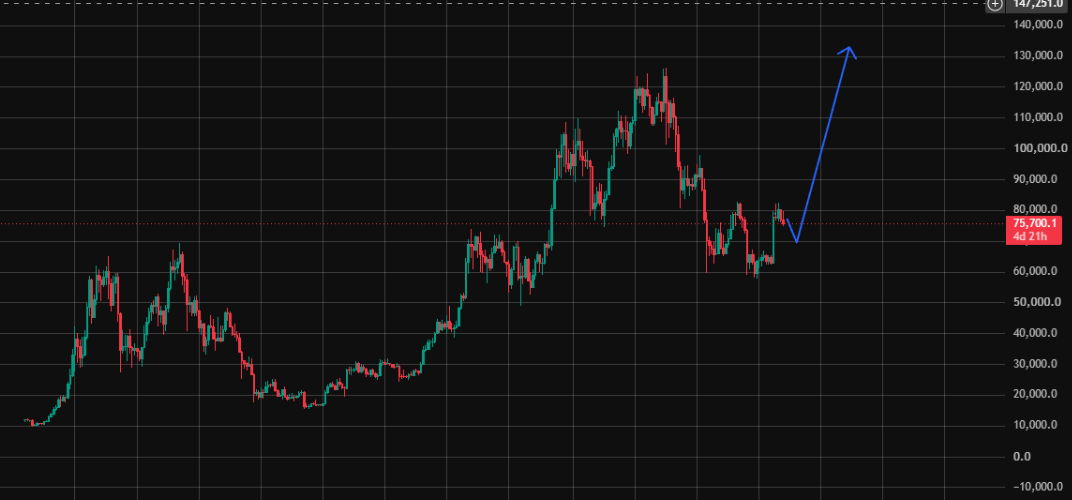
I’m also keeping an eye on the bigger picture. Bitcoin doesn’t trade in isolation. DXY, Treasury yields, Federal Reserve expectations, liquidity, and overall risk appetite can have a much bigger impact on price once the initial CLARITY headline gets absorbed by the market. That’s especially true this week, with the Fed decision landing right on the heels of this vote and the market already pricing in a lot of macro noise around it.
That’s why I’m not going to make a trading decision based on one headline.
A sharp dip in Bitcoin can look scary when you’re staring at the chart, especially when the news is negative. But sometimes those are exactly the moments when the market starts building its next move. I’m not saying Bitcoin has to rally from here. I’m also not saying the CLARITY Act will suddenly pass next week. Nobody knows that, and anyone claiming certainty either way is selling something.
What I am saying is that I don’t think one failed procedural vote changes the bigger crypto story overnight. Regulation is still coming, just maybe slower and messier than the industry hoped. Institutional adoption is still happening. The industry is still growing. And the demand for clearer rules isn’t going away just because Congress couldn’t get enough votes this time.
So what now for crypto traders and investors
For me, it’s patience.
I’m watching price action, liquidity, DXY, Treasury yields, and the next political developments around the bill, including whether that Tillis motion actually goes anywhere. If the market gives us another opportunity at lower prices while the longer-term fundamentals remain intact, I wouldn’t be surprised if some investors start looking at the weakness as an opportunity rather than a reason to panic.
But this is also where I think traders need to be careful.
Being bullish doesn’t mean being aggressive. When the market is uncertain, I would rather protect my capital than try to predict every move. There’s no need to force a trade just because Bitcoin is moving fast. Sometimes the best trade is simply waiting for the market to show its hand.
A few things I’m personally keeping in mind while this plays out:
- Position sizing matters more than usual right now, since headline-driven volatility can whip in either direction fast
- Know your exit before you enter, not after the trade already moves against you
- Don’t chase a candle just because a headline broke, wait for confirmation
- Keep an eye on correlated macro events this week, the CLARITY vote isn’t happening in a vacuum
If you’re trading this news, trade wisely and stay defensive. Manage your position size, know where you’re getting out before you enter, and don’t let one headline convince you to chase a move. Crypto can reverse much faster than most people expect, in both directions.
I’m still cautiously bullish, but I’m not blindly bullish. There’s a difference. I can believe in the long-term direction of crypto while still respecting the possibility of more downside in the short term. Both things can be true at the same time.
The CLARITY Act may have been denied today. But I don’t think the crypto story is over. Not even close.
For now, I’m watching, waiting, and keeping some powder dry. Trade wisely, stay defensive when the market is uncertain, and most importantly, don’t risk more than you’re prepared to lose.
I’m still cautiously bullish. But I’m also keeping my guard up.